This song by Rosalía and Carminho, it is one of the songs with which I feel the strongest connection. As Portuguese is a Romance language, and through the mix of flamenco and fado, they bring us a feeling of tradition and origins, knowing where we come from and how we are raised from there.
They embrace the feeling of memory while exploring identity, and they also show the fear of being forgotten after we die.
The song is one of the last tracks on the album, serving as a closure right after Magnolias, which once again embraces the theme of death.
In this song, emotions flow freely, and everything is laid bare.
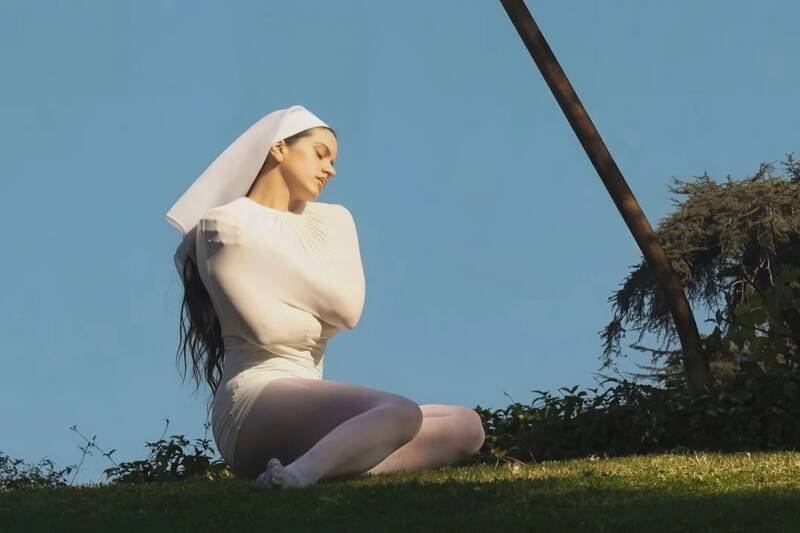
From the beginning, the song says:
“Diz-me no meu olhar triste que alguma memória existe e ainda sabes quem eu sou” / “Tell me, by looking into my sad eyes, that some memory still exists and that you still remember who I am.”
After this verse, she embraces who she once was, asking questions. From my perspective, this is a way of connecting with the ones we loved, trying to find answers so we can still remain together. In the end, she says:
“Alguma coisa, o que for, que eu não consigo lembrar” /
“Something, anything, because I can’t remember.”
In the Spanish verse, the connection appears again:
“Siempre que me acuerdo de algo, siempre lo recuerdo un poco diferente.” / “Whenever I remember something, I always remember it a little differently.”
Memories are fading away, and even when they return, nothing is clear. This brings back the fear, the fear of being forgotten, not only by others, but also of losing ourselves and forgetting who we used to be.

The mixing of Portuguese and Spanish feels like an answer in itself: memories have no barriers, and this fusion becomes a mark of that idea.
In summary, “Memória” is a poetic reflection on our relationship with time, personal history, and the desire for eternity through memories, using cultural fusion to express a universal human theme.